
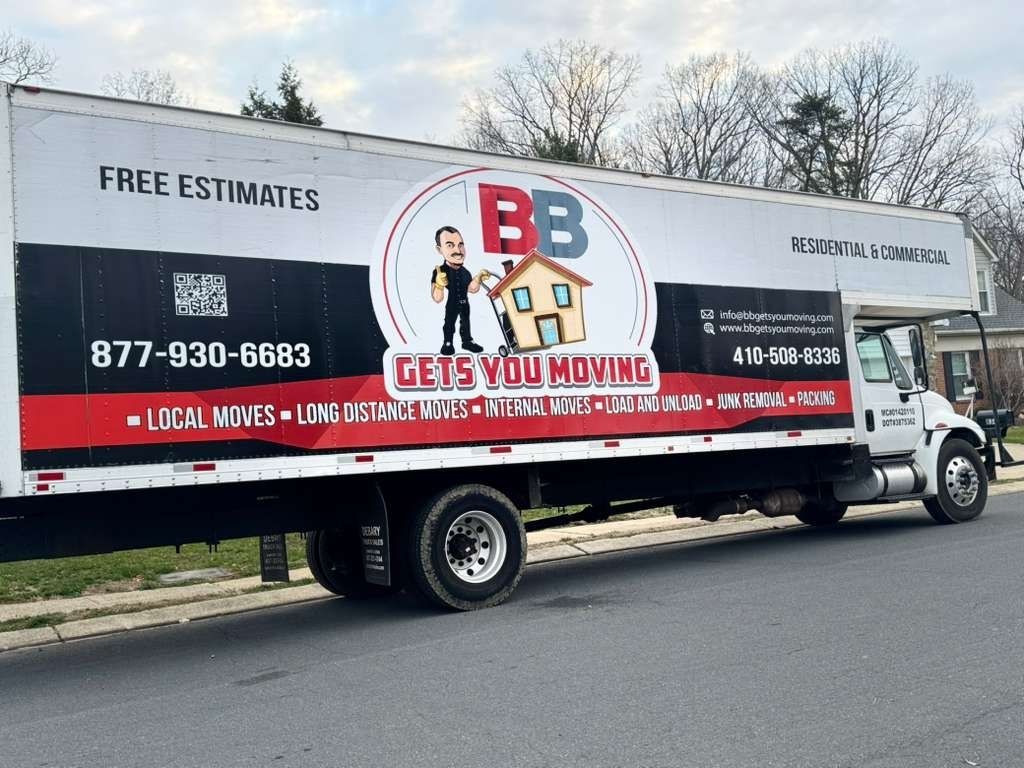
Introduction
If you are searching for movers bowie md, you are probably not looking for a truck alone. You are looking for peace of mind. You want your furniture to arrive in one piece, your quote to stay sane, and your moving day to feel organized instead of chaotic. That is the real job of a strong moving company. In a city like Bowie, that matters even more. Bowie sits in Prince George’s County and is well placed for residents who move around the Washington, DC, Annapolis, and Baltimore corridors, which means local, intrastate, and interstate needs can overlap fast.
The good news is that finding a solid mover is not guesswork. There are clear signals you can review before you sign anything: registration, estimate type, insurance, valuation coverage, review patterns, scope of service, and how clearly the company communicates. Even the Brandi Bradshaw website, which serves Maryland and lists Bowie among its local service areas in its blog content, leans on those same basics: credentials, written estimates, pricing clarity, red flags, and local logistics. That is a useful reminder. The best mover is rarely the one with the flashiest headline. More often, it is the one whose paperwork, service process, and communication all line up cleanly.
What follows is the practical checklist I would use after years of SEO work, local business analysis, and conversion-focused content strategy. Let’s get into what actually matters before you book.
movers bowie md
When people type movers bowie md into Google, they are usually trying to solve a very practical problem. They want someone reliable, nearby, responsive, and fair on price. But search behavior tells us something else too: the word “best” often does not mean luxury. It means “least likely to make this move worse.” That is why the smartest shoppers do not begin with the cheapest quote. They begin with trust signals. Bowie is a sizable Maryland city with more than 57,000 residents and close access to multiple regional destinations, so movers here need to be ready for everything from apartment moves and family homes to regional relocations with tighter timing and more paperwork.
In plain English, the best movers in Bowie are the ones that reduce uncertainty. They explain what is included. They define what is not included. They spell out pricing. They show how damage claims work. They tell you who is coming, when they are arriving, and what they need from you before the truck pulls up. FMCSA says the consumer’s primary responsibility is to choose a reputable mover or broker, understand the contract terms, and understand the options available if something goes wrong. That sounds simple, and yet many people skip that part because moving is emotional and rushed. Big mistake. In moving, haste makes waste.
Local fit matters too. A company that understands neighborhood access, parking limitations, HOA rules, stairs, elevators, and loading delays will usually give you a better estimate and a calmer move day. Brandi Bradshaw’s own Maryland moving guide highlights those local variables directly, including stairs, elevator notes, parking distance, narrow streets, long carries, and HOA rules, and it specifically includes Bowie in its service-area examples. That does not mean one company is automatically your answer. It means these are the right questions to prioritize. A mover who talks clearly about logistics before the move is usually easier to work with during the move.
There is another layer here that many shoppers miss. Some movers are great at transportation but weak at communication. Others market themselves well but get fuzzy when you ask about claims, crew size, timing, or add-on charges. The best mover for Bowie, MD should be strong in both places. You need operational competence and clean customer communication. One without the other is a recipe for headaches. Pretty websites are nice. Clear contracts are better. Friendly sales calls help. Accurate written estimates help more. As the old saying goes, the proof of the pudding is in the eating.
So, when you evaluate movers in Bowie, think like a careful buyer, not a hopeful gambler. You are not shopping for a slogan. You are shopping for proof.
Start with registration, identity, and paperwork
Before you compare rates, compare legitimacy. Maryland’s Department of Labor says a person may not provide or offer household goods moving services in the state using a commercial motor vehicle unless that person is registered as a household goods mover. The state’s registration materials also show that movers may need to provide details such as the company name, trade names, ownership information, and a U.S. DOT or state DOT number. In other words, there is a paper trail, and you should expect a real mover to have one.
That matters because name confusion is one of the oldest tricks in the book. A clean mover should look like the same business everywhere: website, quote, truck, invoice, insurance records, and contact information. Brandi Bradshaw’s own guide makes this point directly by warning shoppers to make sure the company name matches across website, truck, and paperwork. Frankly, that advice is gold. If the company identity feels slippery, stop right there. It is much easier to walk away before the deposit than after your belongings are on the truck.
Once identity checks out, look for the estimate in writing. Not a casual text. Not a rough voice note. Not a number scribbled after a rushed phone call. A written estimate should tell you what service is being provided, what kind of pricing model is being used, what is included, what is excluded, what the arrival window looks like, and how claims are handled. FMCSA states that before an interstate move, movers and brokers must provide the booklet Your Rights and Responsibilities When You Move, along with the Ready to Move brochure, so customers understand documents, obligations, and consumer rights. That tells you something important: the paperwork is not a side issue. It is the deal.
You should also verify the basics that people often skip when they are in a hurry. Ask who will actually do the work. Is it the mover’s own crew or subcontractors? Ask what insurance certificates are current. Ask whether workers’ compensation is in place. Ask how the company handles special items like antiques, art, oversized sectionals, treadmills, safes, or glass tables. Ask how they protect floors, door frames, railings, and entry points. Good movers do not get annoyed by these questions. They answer them clearly because the job is built on clarity.
Here is a quick trust filter you can use before requesting a quote:
| What to Verify | Why It Matters | What a Strong Mover Should Provide |
|---|---|---|
| Maryland registration | Confirms legal standing for household goods moving | Registration details or clear compliance info |
| Company identity | Prevents alias confusion | Matching business name across all materials |
| DOT information | Helps confirm mover records | U.S. DOT or state DOT information when relevant |
| Written estimate | Reduces misunderstandings | Clear scope, pricing type, inclusions, exclusions |
| Insurance and workers’ comp | Protects you from avoidable risk | Current proof on request |
And yes, one more thing: if a mover seems offended that you want documentation, that is your documentation. Run.
Price only matters after the quotes are truly comparable
This is where a lot of people get tripped up. They line up three quotes, see one number is lower, and assume they found the winner. Not so fast. In moving, cheap can be honest, but cheap can also be incomplete. The only fair comparison is a like-for-like comparison. Brandi Bradshaw’s Maryland guide says customers should give each mover the same inventory and the same access details, including stairs, elevators, parking distance, narrow streets, long carries, and disassembly needs. That is exactly right. If one mover is quoting a simple load-and-go job and another is pricing a job with long-carry access and packing help, you are not comparing apples to apples. You are comparing apples to elbow grease.
You also need to know what kind of estimate you are getting. FMCSA materials explain that a binding estimate is generally more conservative than a non-binding estimate, especially if truck space is a concern. The agency also warns about “leave behind” situations, where part of the shipment may need a second truck later if the space estimate was too low. That is why accurate inventory matters so much. A quote is only as solid as the information behind it.
For many local moves, you will see hourly pricing. That can work well for smaller, straightforward jobs. Brandi Bradshaw’s guide says hourly rates often make sense for predictable local moves, while flat-rate or binding estimates can be better for detailed inventories and tighter schedules. That tracks with real-world experience. Hourly is flexible, but it shifts more uncertainty to the customer. Flat-rate or binding pricing can feel safer, but only if the mover has correctly scoped the job. So the question is not “Which model is best?” The better question is “Which model fits this move best?”
Now let’s talk about hidden fees, because this is where moves go sideways. The most common surprises are not mysterious. They are usually tied to conditions that were either not disclosed or not discussed enough: stairs, elevator delays, long carry distance, shuttle service when a big truck cannot reach the home, after-hours timing, extra stops, oversized items, packing supplies, or disassembly and reassembly. Brandi Bradshaw’s guide explicitly flags stair, long-carry, shuttle, and fuel fees as items that should never appear as nasty last-minute surprises in tiny print. That is solid advice.
Here are the questions I recommend putting in writing before you say yes:
- Is this estimate hourly, binding, binding-not-to-exceed, or non-binding?
- Does the quote include travel time, fuel, materials, shrink wrap, pads, and mattress bags?
- Are there added charges for stairs, long carries, elevator delays, shuttle service, or narrow-street access?
- What size truck is planned, and what happens if everything does not fit?
- What is the arrival window, and is any guaranteed service option available?
That last point matters more than people realize. FMCSA notes that guaranteed service on or between agreed dates can include compensation terms if the mover fails to perform as promised. If your schedule is tight, that detail is not fluff. It is leverage.
A mover who can explain pricing in plain English is already doing something valuable. They are reducing risk. And in a move, reduced risk is part of the service you are paying for.
Protection, valuation, and claims deserve plain English
Most moving customers think “insurance” covers everything. In practice, the picture is more nuanced. FMCSA explains two major liability options for household goods in interstate moves: Full Value Protection and Released Value. Released Value is the most economical option, but it only covers loss or damage at 60 cents per pound per article. FMCSA’s example is blunt: a 10-pound stereo valued at $1,000 would trigger only $6 in liability under that option. That is not much comfort after a bad day.
By contrast, if you do not choose the alternative released-value option, the shipment moves under Full Value Protection and the applicable valuation charge. FMCSA also notes that articles of extraordinary value should be specifically listed on the shipping documents, and the threshold mentioned is more than $100 per pound. That means your jewelry, antiques, artwork, rugs, heirlooms, or specialty electronics should never be treated as an afterthought. If it is valuable to you, it should be visible in the paperwork. Out of sight, out of claim.
This is where I tell clients to slow down and read carefully. Not because moving contracts are exciting. They are not. But because valuation language changes what happens when something goes wrong. FMCSA also says that if additional liability insurance is purchased through the mover, the mover must provide written proof of that purchase. Again, the paper matters. A serious mover should be able to explain the claims process, valuation options, exclusions, timeframes, and what documentation is needed if you report damage.
Ask direct questions:
| Question | Why It Matters |
|---|---|
| What valuation option is included by default? | You need to know your baseline protection |
| How do I declare high-value items? | Special items may need written disclosure |
| How soon must damage be reported? | Claims often depend on timing |
| Do you offer third-party insurance? | Extra coverage may exist, but terms differ |
| Can you explain the claims process step by step? | A vague answer now is a bad sign later |
There is also a human side to this. Claims are never fun. Even good movers can have an occasional issue, because moving is physical work done under time pressure. What separates a dependable company from a weak one is not the fantasy of perfection. It is how clearly the company prepares you before the move and how responsibly it responds if a problem happens. No drama, no ducking, no finger-pointing.
So yes, ask about coverage. But do not stop there. Ask how the company documents condition before loading. Ask whether the crew notes pre-existing wear. Ask how specialty pieces are padded and inventoried. Ask how packed boxes are labeled. Ask who handles claims and how communication works after the move. The mover that gives you the clearest answers is often giving you a preview of how they operate when the pressure is on.
Service range, local fit, and communication often decide the entire experience
Once legality, pricing, and protection are covered, the next thing to judge is service fit. What exactly do you need? Some customers only need labor and transport. Others need packing, unpacking, furniture disassembly, junk removal, or help coordinating a more complex move. The Brandi Bradshaw website lists residential moving, commercial moving, packing, furniture removal, and junk removal, and it says the company handles full-service moves or only the services a customer needs. That type of menu is useful because it tells you whether the mover is prepared for your specific job or just trying to squeeze every move into one template.
The same website also says the company has over 10 years of experience in Maryland moving services, highlights simplified pricing, and says it provides written estimates. It shows clear phone and email contact points, online estimate requests, business hours, and customer testimonials displayed through its site. Again, none of that should be treated as a magic badge. But these are the exact trust cues you should expect to see from any mover you are considering. Transparent service list. Clear contact path. Estimate process. Visible customer feedback. Honest companies tend to make it easy for you to understand how to start.
Local knowledge matters more than flashy branding too. Bowie is in a regional corridor where movers may deal with HOA paperwork, timed access windows, townhome layouts, apartment elevators, long walks from parking to entry, or routes that affect arrival timing. Brandi Bradshaw’s blog specifically points to parking, HOA constraints, elevator windows, narrow streets, and long carries as factors that affect quote accuracy and move-day success. In other words, a mover who asks detailed local questions is not being fussy. They are being competent.
Reviews are another place where people oversimplify. Do not just scan the star rating and move on. Read for patterns. Are customers repeatedly mentioning care, speed, professionalism, communication, and damage-free delivery? Or are they repeating the same complaints about lateness, price changes, poor packing, missing items, or silence after the deposit? On the Brandi Bradshaw homepage, the testimonials highlight professionalism, efficiency, care with belongings, and low-stress experiences, and the site displays a Trustindex section tied to Google reviews. Whether you evaluate that company or another one, pattern-reading is the key. One glowing review proves little. Repeated themes tell the story.
Here is the deeper truth: moving companies are not only selling transport. They are selling control in a situation that often feels out of control. When communication is weak, stress rises. When communication is strong, the same physical move feels lighter. That is why my favorite hiring question is not about the truck. It is this: “Walk me through what happens from booking to move day to final delivery.” A polished answer there is worth more than a discount that disappears under a pile of add-on fees.
A practical Bowie mover scorecard, with Brandi Bradshaw movers as one local example
If you want to choose calmly instead of emotionally, use a scorecard. It sounds a bit clinical, sure. Yet it works. Brandi Bradshaw’s Maryland guide even publishes a comparison scorecard with weighted categories like licensing and insurance, estimate clarity, crew experience, protection methods, specialty-item handling, communication, reviews, and claims transparency. That is a smart framework because it forces you to judge the whole offer, not just the price at the top of the page.
Here is a version tailored for Bowie shoppers:
| Category | What to Look For | Weight |
|---|---|---|
| Registration and credentials | Maryland registration, DOT details when applicable, name consistency | High |
| Estimate clarity | Written scope, estimate type, clear exclusions | High |
| Pricing fairness | No vague add-ons, no suspiciously low teaser quote | High |
| Protection process | Floor runners, padding, wrap, item handling | Medium |
| Coverage and claims | Clear valuation explanation, documented claims steps | High |
| Local-fit logistics | Parking, stairs, HOA, elevator, long carry planning | Medium |
| Communication | Fast replies, detailed walkthrough, confirmation process | High |
| Review patterns | Recurring praise or recurring complaints | Medium |
| Service range | Packing, junk removal, assembly, specialty handling | Medium |
Now, where does Brandi Bradshaw movers fit in this article? As a real example of the signals to verify. The company’s site shows a broad service list, online estimate workflow, simplified pricing language, written-estimate language, more than 10 years of experience claim, and visible customer reviews. Its blog content also lays out sensible questions around credentials, quote comparison, hidden fees, and local logistics. Those are positive trust signals. Still, the smart move is the same with any mover: verify the registration, ask for the written estimate, confirm the coverage, and compare side by side. Use the company as an option to evaluate, not as a shortcut around evaluation.
That is the mindset that helps customers avoid regret. Not blind trust. Not reflexive skepticism. Just methodical comparison. Slow is smooth, and smooth is fast.
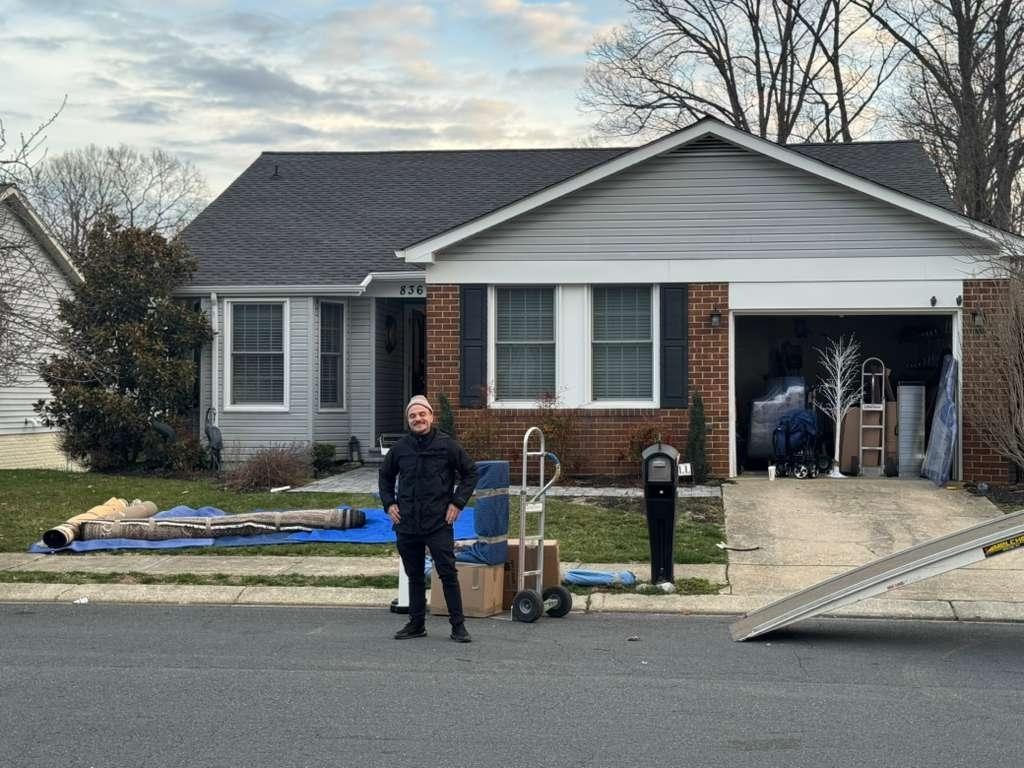
FAQs
How far in advance should I book movers in Bowie, MD?
For popular dates like weekends or month-end moves, booking earlier is usually smarter. Brandi Bradshaw’s guide suggests aiming about four to six weeks out for busy dates, while mid-week and mid-month dates may offer more flexibility.
Should I choose hourly pricing or a binding estimate?
It depends on the move. Hourly pricing often works well for smaller local jobs with predictable scope. Binding or binding-not-to-exceed pricing can be better when the inventory is detailed and you want tighter control over the final total. FMCSA also notes that binding estimates can reduce problems tied to underestimating truck space.
What should I ask about damage coverage?
Ask what valuation option is included, how high-value items should be declared, what the claims process looks like, and whether any extra liability coverage is available. FMCSA explains that released-value coverage can be as low as 60 cents per pound per article, so this is not a detail to gloss over.
Are movers in Maryland supposed to be registered?
Maryland’s Department of Labor says household goods movers using commercial motor vehicles in the state must be registered. The state’s registration information also shows that movers may need to disclose company identity details and DOT-related information.
What red flags should make me walk away?
Be cautious with vague lowball quotes, large cash-only deposits, tiny-print contracts, surprise charges that appear late, identity inconsistencies, and movers who refuse to show paperwork. Brandi Bradshaw’s own guide lists many of those as common warning signs.
What services should a strong Bowie mover offer?
That depends on your needs, but common helpful options include residential moving, commercial moving, packing, furniture removal, junk removal, and support for partial or full-service jobs. Brandi Bradshaw’s website lists exactly those kinds of options, which is a useful model for what customers should compare across local providers.
Do reviews really matter if the estimate looks good?
Absolutely. A good quote can still come from a weak operator. Reviews help you spot patterns around punctuality, professionalism, communication, care with belongings, and whether the final bill matches expectations. Read beyond the star average and watch for repeating themes.
Conclusion
Choosing the best movers in Bowie, MD is not about chasing the lowest number or trusting the loudest promise. It is about checking the pieces that hold the whole move together: registration, identity, written estimates, pricing model, valuation coverage, logistics planning, service fit, and review patterns. Bowie’s location makes local knowledge valuable, and Maryland’s rules make verification easier than many customers realize. Do the homework up front, and you give yourself a far better chance of a smooth move later.
And that, really, is the goal. Not perfection. Not hype. Just a mover who shows up prepared, communicates clearly, protects your belongings, and keeps the day from turning into a circus. When you evaluate movers that way, you stop guessing and start booking with confidence.


0 Comments