

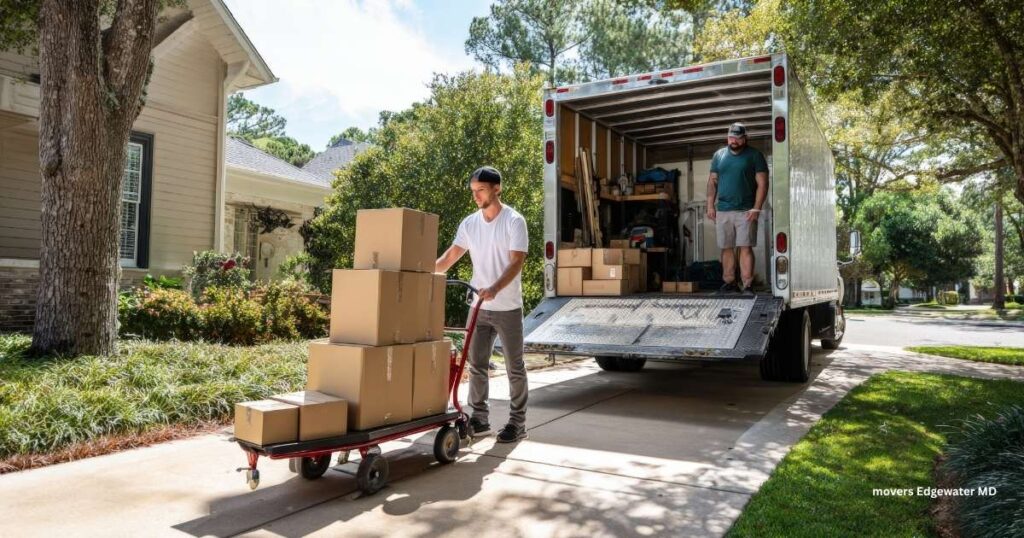
A local move may cover only a few miles, but that doesn’t make it simple. Homes near the South River, established residential streets, community access rules and large outdoor living areas can introduce challenges that generic moving plans often overlook.
A successful Edgewater move begins with local preparation. The moving team must understand the property, identify parking limitations, protect indoor and outdoor surfaces, and select equipment that works for the street and driveway. With a clear plan, families can reduce delays, prevent damage and settle into their new home with less stress.
This guide explains what to consider when hiring a mover, preparing a waterfront property and organizing each stage of your relocation.
Why the Right Edgewater Moving Company Matters
An experienced Edgewater moving company should do more than send a truck and a few crew members. It should evaluate the entire move, including the size of the home, access points, staircases, parking conditions, oversized furniture and any items stored on decks, patios or near the water.
Local knowledge becomes especially useful when a property has:
- A steep or narrow driveway
- Limited space for a full-size moving truck
- Community parking restrictions
- Long paths between the home and the street
- Deck stairs or exterior entrances
- Large patio furniture
- Kayaks, paddleboards or boating accessories
- Delicate floors, railings or architectural details
Before requesting an estimate, prepare a complete inventory. Include items stored in garages, sheds, attics, patios and outdoor storage boxes. Photos or a virtual walkthrough can help the mover understand the workload, but complicated properties may benefit from an in-person assessment.
Ask whether the estimate covers labor, travel, equipment, stairs, long carries, packing materials and furniture disassembly. A detailed written estimate makes it easier to compare companies and reduces the risk of unexpected charges.
Moving Through Edgewater’s Distinct Neighborhoods
Edgewater includes established communities with different street layouts, property styles and waterfront amenities. Londontowne, Loch Haven and Southdown Shores are examples of communities where water access and shared neighborhood spaces are part of the local environment. Community sources describe facilities such as beaches, ramps, docks, parks and marina access.
These differences affect moving logistics. A newer home with a wide driveway may allow direct truck access, while an older waterfront property may require a smaller vehicle, additional carrying distance or a carefully selected loading area.
Londontowne and Woodland Beach
Londontowne, historically associated with Woodland Beach, developed from a vacation community into a year-round residential area. Its property owners’ association manages community spaces that include parks, playgrounds, beaches, ramps and docks.
When moving within this area, confirm whether the truck can remain on the street without blocking local traffic, mailboxes, driveways or access to community amenities. Measure narrow entrances and identify any low branches, tight turns or soft shoulders before moving day.
Residents should also avoid using private community areas as staging or parking zones unless authorization has been obtained.
Loch Haven, Southdown Shores and Nearby Communities
Loch Haven is located along the South River, while Southdown Shores is an established single-family community with resident-controlled marina access.
Homes in these and nearby communities can vary considerably. Some have traditional suburban access, while others may have long driveways, exterior staircases, waterside patios or detached storage buildings.
The best local movers Edgewater Maryland homeowners can hire will review these details before dispatching the truck. This allows the company to bring the correct ramps, dollies, floor protection and crew size.
Londontowne and Waterfront Access Planning
The London Town area is surrounded on three sides by the South River, Almshouse Creek and Glebe Bay. Historic London Town and Gardens also occupies a waterfront site on the South River.
Waterfront surroundings create attractive living spaces, but they can complicate a move. Moisture, uneven walkways, deck stairs and landscaping can all affect how furniture is carried.
Complete an Access Check Before Moving Day
Walk from the proposed truck location to every entrance that the crew may use. Look for:
- Narrow gates
- Loose stepping stones
- Slippery decking
- Low tree branches
- Soft ground
- Exterior stairs
- Garden lighting
- Irrigation equipment
- Retaining walls
- Limited turning space
Choose the safest route rather than automatically using the front door. In some homes, a garage, side entrance or lower-level door may provide better access.
Check the weather forecast as moving day approaches. Outdoor routes should be cleared of leaves, hoses, toys and gardening equipment. After rain, avoid placing heavy equipment on soft lawns unless ground protection has been installed.
Property Protection for Edgewater Homes
Professional residential movers Edgewater homeowners consider should arrive with a clear protection plan. Preventing damage is generally easier and less expensive than repairing floors, doors, walls or landscaping after the move.
Protecting Floors, Doors and Interior Surfaces
Hardwood, tile and finished staircases need protection from dirt, moisture and repeated foot traffic. Depending on the property, the crew may use:
- Nonslip floor runners
- Carpet film designed for temporary use
- Door-jamb protectors
- Corner guards
- Padded railing covers
- Moving blankets
- Mattress bags
- Furniture wrap
Floor protection should be suitable for the surface. Adhesive products that are safe for carpeting may not be appropriate for finished wood.
Large furniture should be measured before lifting begins. Removing legs, shelves, doors or hardware can create additional clearance and reduce the risk of scraping walls. Small parts should be labeled and kept in a sealed bag attached to the corresponding item.
Exterior Paths, Decks and Waterfront Walkways
Deck boards, pavers and exterior stairs also need attention. Movers should avoid dragging furniture across finished surfaces. Ramps must be positioned securely, and heavy items should be carried by enough crew members to maintain control.
Protect nearby railings, glass doors and landscape features when the carrying route is tight. Establishing one clear path helps keep the crew organized and limits unnecessary traffic through the property.
Moving Outdoor Furniture and Seasonal Equipment
Edgewater homes often make full use of patios, porches and decks. Outdoor furniture may be heavy, weathered or awkwardly shaped, even when it looks simple to move.
Clean and dry outdoor items before packing them. Moisture trapped beneath plastic wrap can create odors or damage certain finishes. Remove cushions and place them in clean bags or boxes. Fold umbrellas, empty storage benches and disassemble large tables when practical.
Photograph furniture before taking it apart. These images make reassembly easier and document the condition of each piece.
Grills, Umbrellas, Cushions and Planters
Propane cylinders, fuel and many hazardous materials cannot be loaded onto a standard household moving truck. Confirm the mover’s prohibited-item policy and arrange separate, lawful transportation when necessary.
Empty grills of ash and residue. Remove detachable shelves, racks and tools. Large planters should be emptied when possible because soil adds substantial weight and may retain water.
Long umbrellas, sports equipment, paddleboards and kayaks should be discussed during the estimate. Their dimensions may require special placement inside the truck or separate transportation arrangements.
Planning for Narrow Roads and Limited Parking
A large moving truck isn’t always the best choice for every Edgewater property. Narrow streets, tight turns, overhead branches and limited parking can make a smaller truck more efficient.
During the estimate, provide photographs of the road, driveway and proposed parking position. Tell the company about dead ends, shared driveways, gates and restricted turning areas.
When a full-size truck cannot reach the home safely, the mover may recommend a shuttle method. A smaller vehicle carries items between the property and a larger truck parked in an appropriate location. Because this adds labor and handling time, it should be discussed before the move rather than discovered after arrival.
Notify nearby residents when the truck may temporarily affect street access. Never assume that a public street, shared lane or community parking area can be blocked without permission.
Your Edgewater Moving Timeline
A structured schedule keeps important tasks from accumulating during the final week.
| Time before moving | Recommended actions |
| Four to six weeks | Request estimates, compare written terms, choose a mover and begin sorting belongings. |
| Three to four weeks | Confirm community access rules, identify donation items and schedule professional packing when needed. |
| Two weeks | Update addresses, arrange utilities, confirm parking and finalize the inventory. |
| One week | Pack nonessential belongings, label boxes by room and prepare outdoor items. |
| Forty-eight hours | Check the weather, clear access routes, charge phones and confirm arrival details. |
| Moving day | Complete a walkthrough, protect valuables and remain available for questions. |
| After delivery | Check rooms, inspect furniture and confirm that all inventory has arrived. |
Learn more about complete household relocation support on the Residential Moving page. Customers who need full or partial packing can learn more at Packing. Unwanted sofas, tables or bulky household items can be addressed through Furniture Removal.
What to Do on Moving Day
Keep children and pets away from active carrying routes. Set aside medications, identification, chargers, keys, documents and valuables so they aren’t loaded accidentally.
Walk through the property with the crew leader before work begins. Confirm which entrances will be used, where the truck will park and which items require special handling.
At the destination, use clear room labels so boxes can be placed correctly the first time. This reduces unnecessary lifting and helps the household begin unpacking sooner.

Frequently Asked Questions
How far in advance should I book an Edgewater mover?
Booking four to six weeks ahead is a practical goal for most local moves. Consider reserving earlier for weekends, summer dates and the end of the month.
Can movers handle waterfront homes?
Yes, provided the property is evaluated in advance. The mover should review exterior stairs, walkways, parking, carrying distance and weather-related concerns.
What happens when a large truck cannot reach my home?
The company may use a smaller truck or shuttle vehicle. Ask whether this service affects the price or estimated duration.
Will movers protect hardwood floors and stair railings?
A professional mover should explain its protection methods before the move. Ask specifically about floor runners, railing pads, door protection and furniture wrapping.
Can a moving company transport my propane grill?
The grill itself may be movable after it has been cleaned and prepared, but propane cylinders and fuel are commonly prohibited. Confirm the mover’s policy before moving day.
Should outdoor furniture be cleaned before the move?
Yes. Cleaning and drying outdoor furniture prevents dirt from reaching other belongings and reduces the risk of trapping moisture beneath protective wrap.
Can movers remove furniture I no longer want?
Some companies provide removal or disposal services separately from standard moving. Confirm availability, pricing and accepted items before the scheduled date.
Is packing service worthwhile for a local move?
Professional packing can save time and improve protection for fragile, valuable or unusually shaped belongings. Partial packing is also useful when customers only need assistance with kitchens, artwork or delicate items.
Schedule Your Edgewater Move
A smooth move depends on more than distance. Local access, waterfront conditions, outdoor belongings and property protection should all be addressed before the truck arrives.
Request a detailed estimate, provide accurate information about the home and discuss possible access challenges in advance. A prepared crew can work more safely, protect the property and keep the relocation on schedule.
Schedule Your Edgewater Move today to request an estimate and create a moving plan tailored to your home, neighborhood and preferred date.
Final Moving-Day Reminder
Confirm parking, remove hazards from carrying routes and keep essential belongings with you before loading begins.