

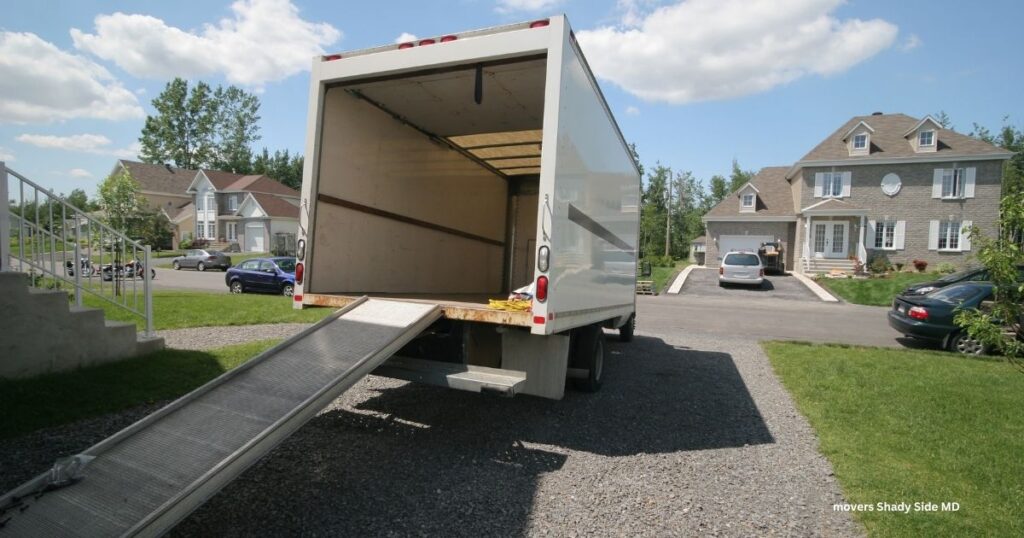
Meta description: Looking for dependable movers Shady Side MD residents can trust? Discover professional moving help for waterfront homes, rural roads, docks, outdoor equipment, packing, and weather protection.
Moving into or out of Shady Side is different from completing a typical suburban move. Homes near the Chesapeake Bay may have narrow driveways, raised entrances, waterfront decks, outdoor equipment, private docks, or limited space for a moving truck. Weather conditions and rural roads can add another layer of difficulty.
Choosing experienced local movers makes these challenges easier to manage. A team familiar with the area can plan vehicle access, protect belongings from moisture, prepare large outdoor items, and organize the move around the characteristics of the property.
Whether you’re relocating to a waterfront home, moving between nearby communities, or leaving southern Anne Arundel County, careful preparation can help protect your belongings, your property, and your schedule.
Moving in Shady Side Requires Local Experience
Shady Side is a waterfront community in southern Anne Arundel County, surrounded by creeks, coves, and parts of the Chesapeake Bay. The county has more than 530 miles of shoreline and recognizes that coastal areas can be affected by flooding and changing water levels. Anne Arundel County has also conducted a specific flood-risk study for the Deale–Shady Side Peninsula.
These local conditions matter during a move. A moving company that understands the area can examine more than the distance between two addresses. It can consider the road width, driveway condition, parking availability, property elevation, weather forecast, and distance between the truck and the front door.
Knowledge of Waterfront Neighborhoods
Waterfront neighborhoods may include private lanes, community access rules, narrow streets, shared driveways, and homes located farther from the main road. Some properties also have steep steps, gravel surfaces, decks, piers, or secondary entrances.
Experienced local movers Shady Side residents hire should evaluate these details before moving day. An early assessment allows the crew to select suitable equipment and determine whether a standard moving truck can reach the home safely.
When direct truck access isn’t possible, the team may need to use a smaller vehicle, moving dollies, additional protective materials, or a carefully planned carrying route.
Planning Around Local Roads and Access
A successful move begins with route planning. The crew should identify narrow turns, low tree branches, soft shoulders, bridge restrictions, roadwork, and areas that may become difficult to access after heavy rainfall.
Anne Arundel County maintains an extensive road network and has evaluated vulnerable roadways because flooding, erosion, and coastal conditions can affect transportation routes.
Before the move, homeowners should tell the moving company about:
- Gates or access codes
- Gravel or unpaved driveways
- Limited turning areas
- Low branches or overhead wires
- Community parking restrictions
- Seasonal flooding near the property
- Long distances between the home and parking area
Providing this information early helps prevent delays and allows the moving company to assign the right crew and vehicle.
Why Waterfront Homes Need a Specialized Moving Plan
Waterfront homes often require additional protection. Moisture, sand, mud, wind, exterior stairs, and elevated entrances can increase the risk of damage when furniture and boxes are carried between the home and the truck.
A qualified Shady Side moving company should create a plan that protects both the belongings and the property.
Protecting Floors, Entrances, and Elevated Homes
Movers may use floor runners, door-frame guards, furniture pads, shrink wrap, mattress bags, and waterproof coverings. These materials help protect hardwood floors, carpeting, walls, railings, and furniture.
Floor protection is especially important when movers must cross damp lawns, gravel driveways, docks, or uncovered walkways. Without a protected route, dirt and moisture can quickly enter the home.
Furniture should also be wrapped before it leaves the house rather than after it reaches the truck. This reduces exposure to rain, humidity, tree branches, and rough exterior surfaces.
Stairs, Decks, and Limited Entry Points
Raised waterfront homes sometimes have long exterior staircases or narrow interior steps. Large furniture may not fit through the most convenient entrance.
Before moving day, measure:
- Exterior and interior doorways
- Staircase width
- Hallway turns
- Deck gates
- Elevator openings
- Large sofas, tables, and appliances
Movers can use these measurements to determine whether an item must be disassembled. Removing table legs, bed frames, doors, or modular sofa sections can make transportation safer and prevent damage to railings and walls.
Rural Access and Moving-Truck Logistics
Some Shady Side properties combine waterfront living with rural-style access. A house may have a long driveway, an uneven surface, soft ground, limited parking, or very little room for a truck to turn around.
These conditions shouldn’t be discovered when the moving vehicle arrives.
Driveways, Turning Space, and Parking
Inspect the access route several days before the move. Trim low branches, move parked vehicles, unlock gates, and remove garden tools, hoses, toys, and other obstacles.
After heavy rain, check whether the driveway or lawn has become too soft for a large truck. A heavy vehicle can sink into wet ground or damage landscaping. When the main truck can’t safely reach the house, movers may recommend a shuttle system using a smaller vehicle.
Reserve enough space near the entrance whenever possible. A shorter carrying distance can reduce loading time, physical strain, and the chance of accidental damage.
Weather Protection Near the Chesapeake Bay
Weather can change quickly near the water. Rain, thunderstorms, strong winds, coastal flooding, heat, and high humidity may affect moving conditions. The National Weather Service regularly issues hazardous-weather and coastal-flood information for the Maryland portion of the Chesapeake Bay and Anne Arundel County shoreline.
Checking the forecast is important, but a professional moving plan should also prepare for unexpected changes.
Keeping Furniture and Boxes Dry
Use strong, properly sealed boxes and avoid placing cardboard directly on wet pavement. Electronics, artwork, documents, mattresses, and upholstered furniture need additional protection.
Helpful precautions include:
- Placing electronics inside plastic protective bags before boxing
- Using mattress covers
- Wrapping upholstered furniture securely
- Keeping towels and absorbent materials available
- Creating a covered loading path when possible
- Loading moisture-sensitive items last and unloading them first
Professional Packing Services can be especially valuable for waterfront moves. A trained team can select appropriate materials and pack fragile or moisture-sensitive belongings correctly.
During severe weather or coastal flooding, safety should take priority over the schedule. Anne Arundel County advises residents not to walk or drive through floodwater and to monitor official information about road closures.
Moving Docks and Outdoor Equipment
Waterfront properties often include more outdoor equipment than a typical home. Patio furniture, grills, kayaks, paddleboards, fishing equipment, dock boxes, gardening tools, and small watercraft accessories all require preparation.
These items may be dirty, wet, unusually shaped, or difficult to stack inside a moving truck.
Preparing Grills, Kayaks, and Patio Furniture
Clean and dry outdoor items before packing them. Remove mud, leaves, salt residue, insects, and standing water. Wet equipment can damage boxes and increase moisture inside the truck.
For safe transportation:
- Empty and clean coolers and dock boxes.
- Remove propane tanks from grills; movers generally can’t transport them.
- Detach paddles, seats, racks, and removable accessories.
- Bundle fishing rods inside protective tubes.
- Fold or disassemble patio furniture when possible.
- Secure kayak hatches and protect the hull from scratches.
- Photograph complex outdoor equipment before disassembly.
- Label every bag containing screws or hardware.
Tell the moving company about oversized outdoor equipment during the estimate. Kayaks, canoes, heavy planters, workbenches, generators, and large grills may require extra space or specialized handling.
Items permanently connected to a dock, electrical system, gas line, or plumbing system should be disconnected by a qualified professional before the movers arrive.
Shady Side Moving Checklist
A clear checklist can reduce stress and keep the move on schedule.
What to Do Before Moving Day
Four to six weeks before the move
- Request an in-home or virtual moving estimate.
- Confirm the moving date and expected arrival window.
- Review Residential Moving options.
- Sort belongings into keep, donate, sell, and discard groups.
- Identify oversized, fragile, or high-value items.
Two to three weeks before the move
- Begin packing rooms that aren’t used every day.
- Measure doors, hallways, stairs, and large furniture.
- Confirm truck access and parking arrangements.
- Arrange professional help for boats, propane tanks, or connected equipment.
- Update your address with important service providers.
Several days before the move
- Check the weather forecast.
- Clear the driveway and walking paths.
- Dry and prepare outdoor equipment.
- Pack an essentials box with medicine, documents, chargers, clothing, and toiletries.
- Confirm all details with the moving coordinator.
On moving day
- Keep children and pets away from loading areas.
- Walk through the home with the crew leader.
- Point out fragile and high-value items.
- Keep important documents with you.
- Complete a final inspection before the truck leaves.
Learn more about the team on the About Us page or use the Contact page to discuss access, packing, timing, and waterfront-property requirements.

Frequently Asked Questions
How early should I book movers in Shady Side?
Booking four to six weeks ahead is a sensible starting point. Reserve earlier for summer, weekends, holidays, or end-of-month dates because these periods often fill quickly.
Can movers reach a home with a narrow driveway?
Possibly. The company should review the driveway width, turning space, surface condition, branches, gates, and overhead obstacles. A smaller shuttle vehicle may be used when a full-size truck can’t reach the home safely.
Do waterfront movers transport kayaks and paddleboards?
Many movers can transport them when notified in advance. The items should be clean, dry, empty, and properly prepared. Ask whether special racks, padding, or additional truck space will be required.
Can a move continue during rain?
Light rain doesn’t always stop a move. Movers can use waterproof coverings, floor protection, and a controlled loading process. Severe storms, unsafe winds, flooding, or dangerous roads may require a schedule adjustment.
Will movers pack outdoor equipment?
Packing support may be available, but outdoor items must usually be clean and safe to transport. Fuel, propane, chemicals, and certain hazardous materials can’t be placed in a moving truck.
How can I prepare a waterfront home for movers?
Clear stairs and walkways, secure dock areas, dry outdoor equipment, reserve parking, protect pets, and inform the company about narrow entrances or elevated access. Also identify any areas affected by tides, rain, or soft ground.
Should I purchase additional moving protection?
Review the mover’s available valuation or protection options before signing the agreement. Homeowners with antiques, artwork, marine equipment, or high-value furniture may want to discuss additional coverage.
Get Help From Your Local Shady Side Movers
A waterfront move shouldn’t depend on last-minute decisions. Local knowledge, careful packing, weather preparation, and proper access planning can make the experience safer and more efficient.
The right team of waterfront movers Maryland homeowners trust will examine the complete moving environment—not simply the number of boxes. From protecting hardwood floors to navigating rural driveways and preparing dock equipment, every detail matters.
Get help from professional movers Shady Side MD homeowners can rely on. Contact the local moving team today to request an estimate and create a moving plan suited to your home, schedule, belongings, and waterfront location.